Lolo Hot Springs has been a Bitterroot Valley bathing destination for thousands of years, originally used by the Salish, Nez Perce, and other Indigenous peoples whose seasonal travels passed through Lolo Pass. The Corps of Discovery led by Meriwether Lewis and William Clark stopped here in 1805 on the way west and again in 1806 on the return; Lewis's journals note the use of the springs by Indian people and the Corps. The 215-plus years of continuous bathing history since are part of what defines the place.
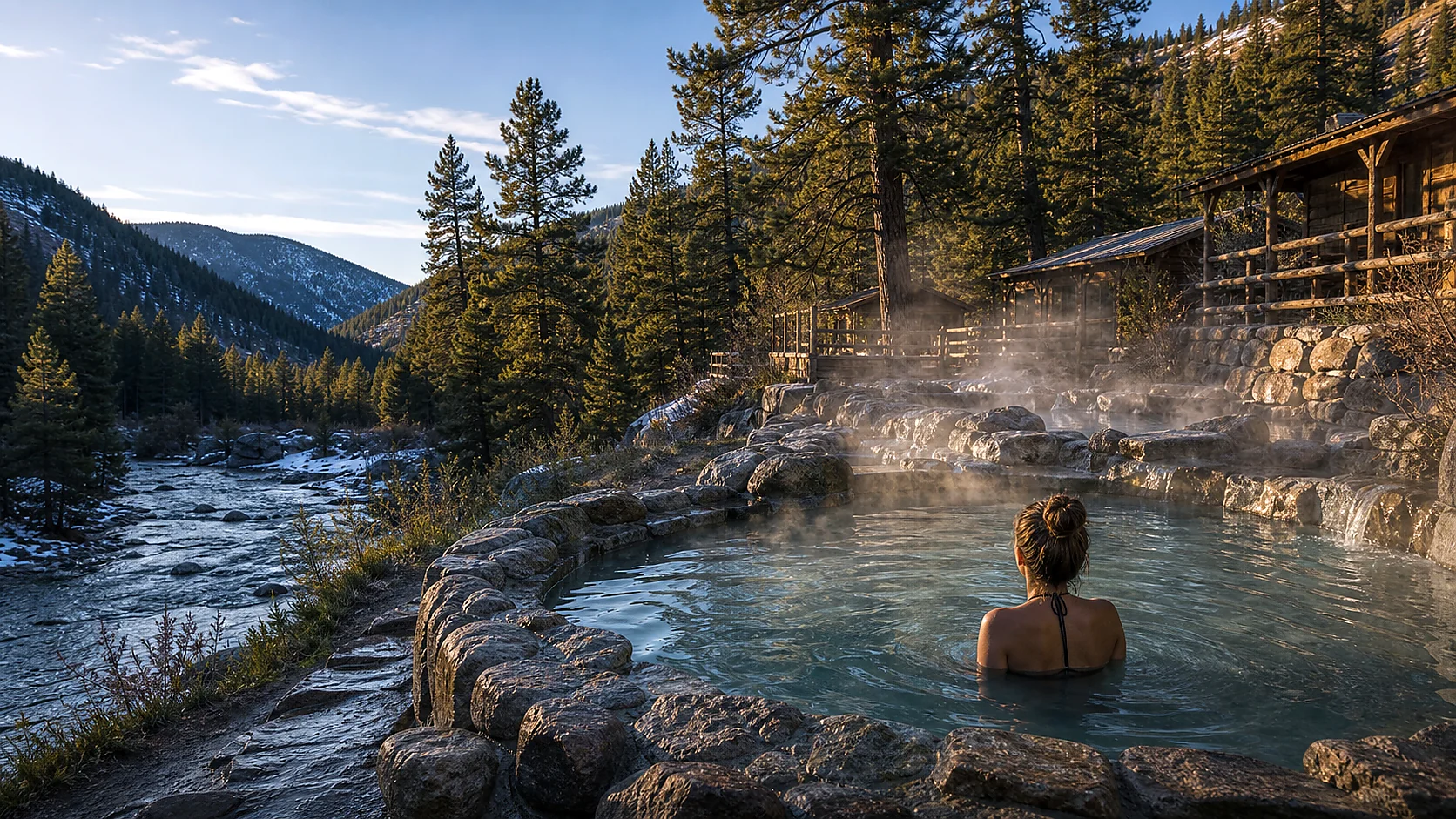
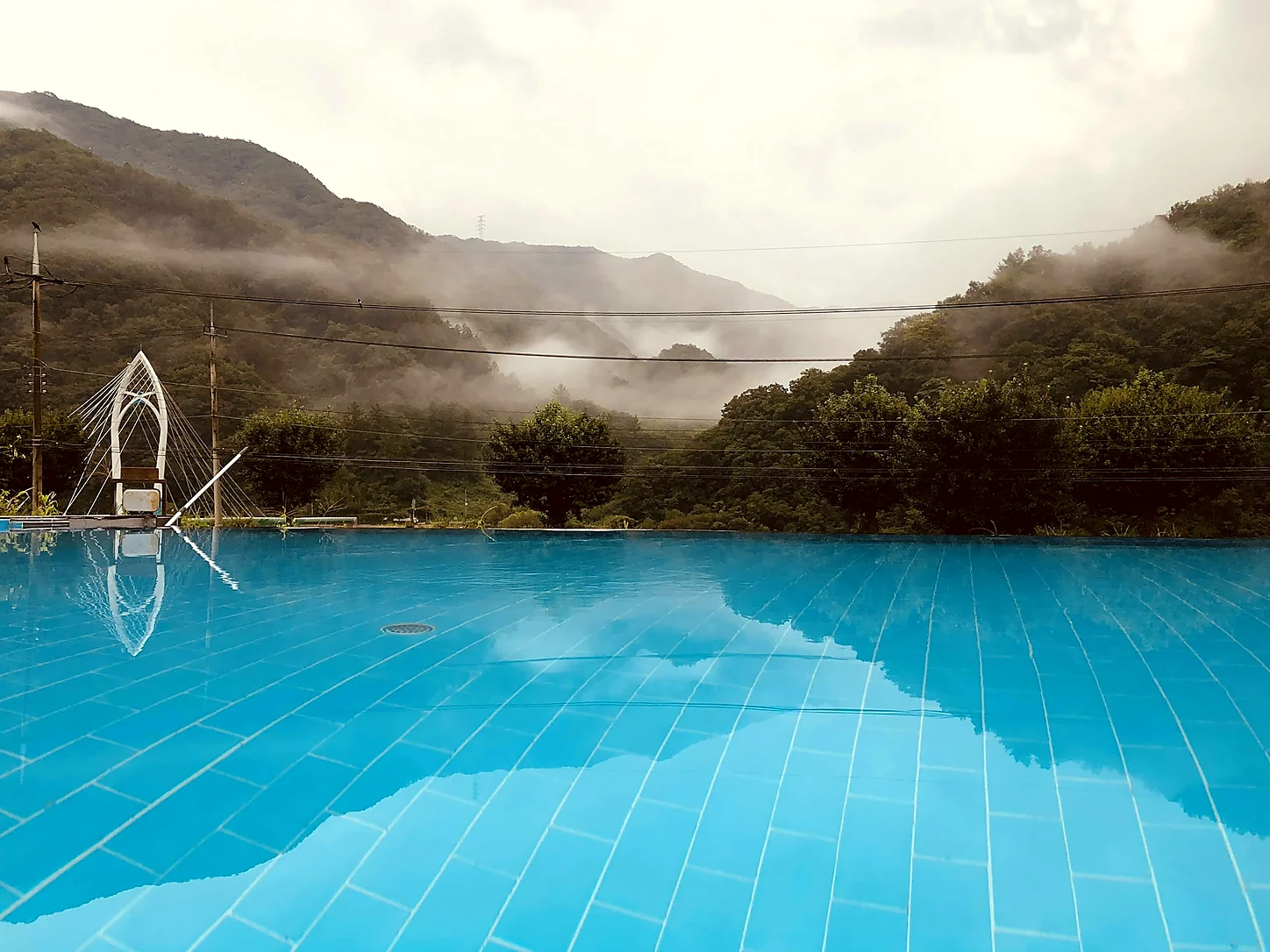
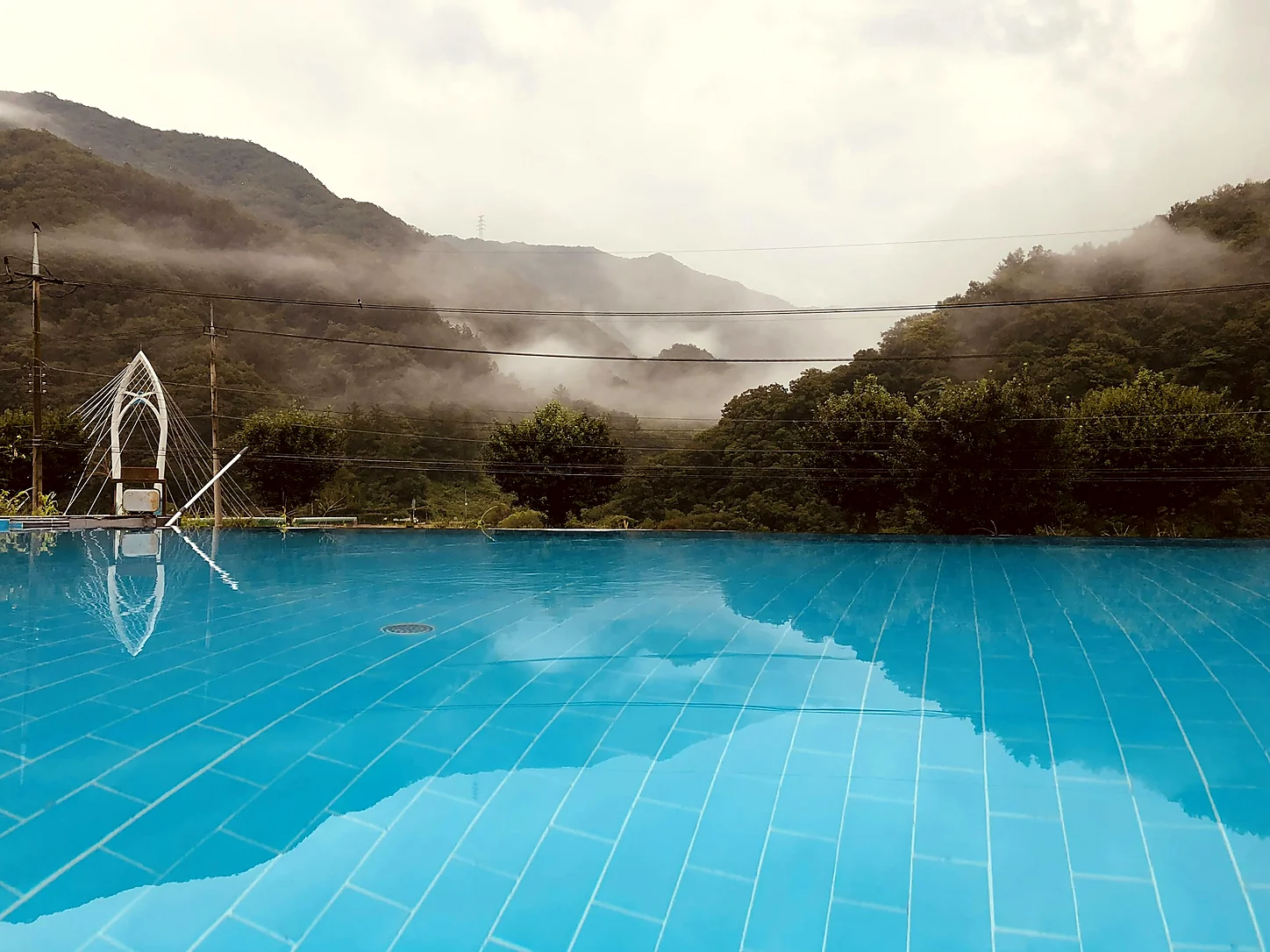
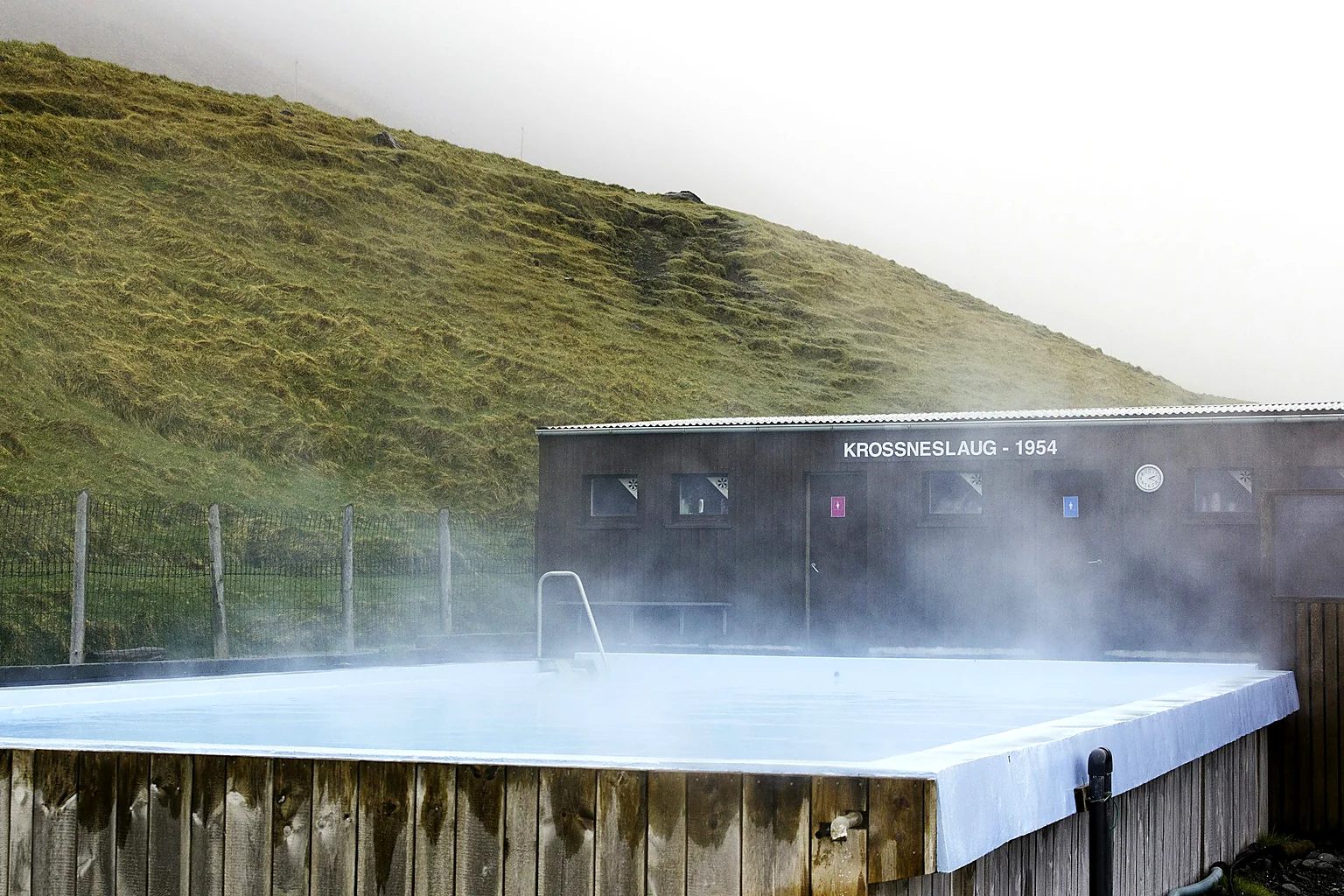
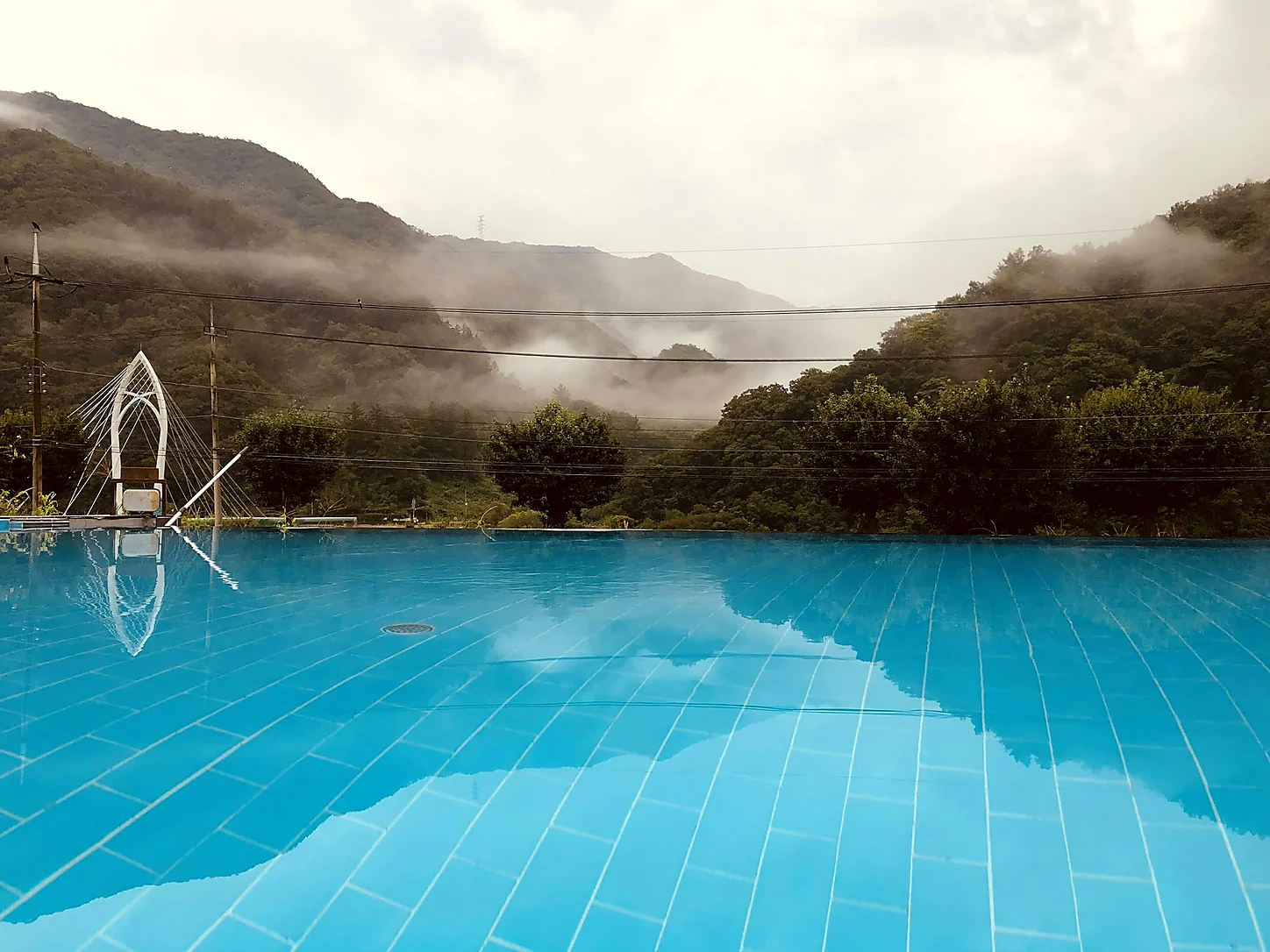
The pool inventory is intentionally simple. Geothermal water emerges from several on-site springs at temperatures of 105 to 117 F and is piped into two pools: a hot soaking pool kept at 102 to 106 F and a swimming pool kept at 74 to 85 F. The hot pool is for soaking, the swim pool is for laps, swimming, and cooling off between hot sessions. No chemicals or filtering apparatus; the water flows through.
Lodging is straightforward and budget-friendly. The resort runs economy and deluxe cabins from $90 to $150 per night seasonal. The separate Lodge at Lolo Hot Springs is a sister property at the same location with additional rooms. RV hookups and a tent campground cover the budget tier. The on-site restaurant and bar handle meals, which is unusual for a smaller hot springs property and makes Lolo workable as an overnight rather than just a day stop.
Practically, Lolo Hot Springs sits on US-12 at the start of the climb to Lolo Pass and the Idaho border. Missoula is 50 minutes east; the descent into Idaho's Lochsa River corridor begins immediately west. The drive is one of the most scenic Lewis & Clark Trail segments in the country. Many visitors do Lolo Hot Springs as a stop on a longer US-12 route between Missoula and Lewiston, Idaho; others use it as a weekend basecamp from Missoula with cabin lodging.