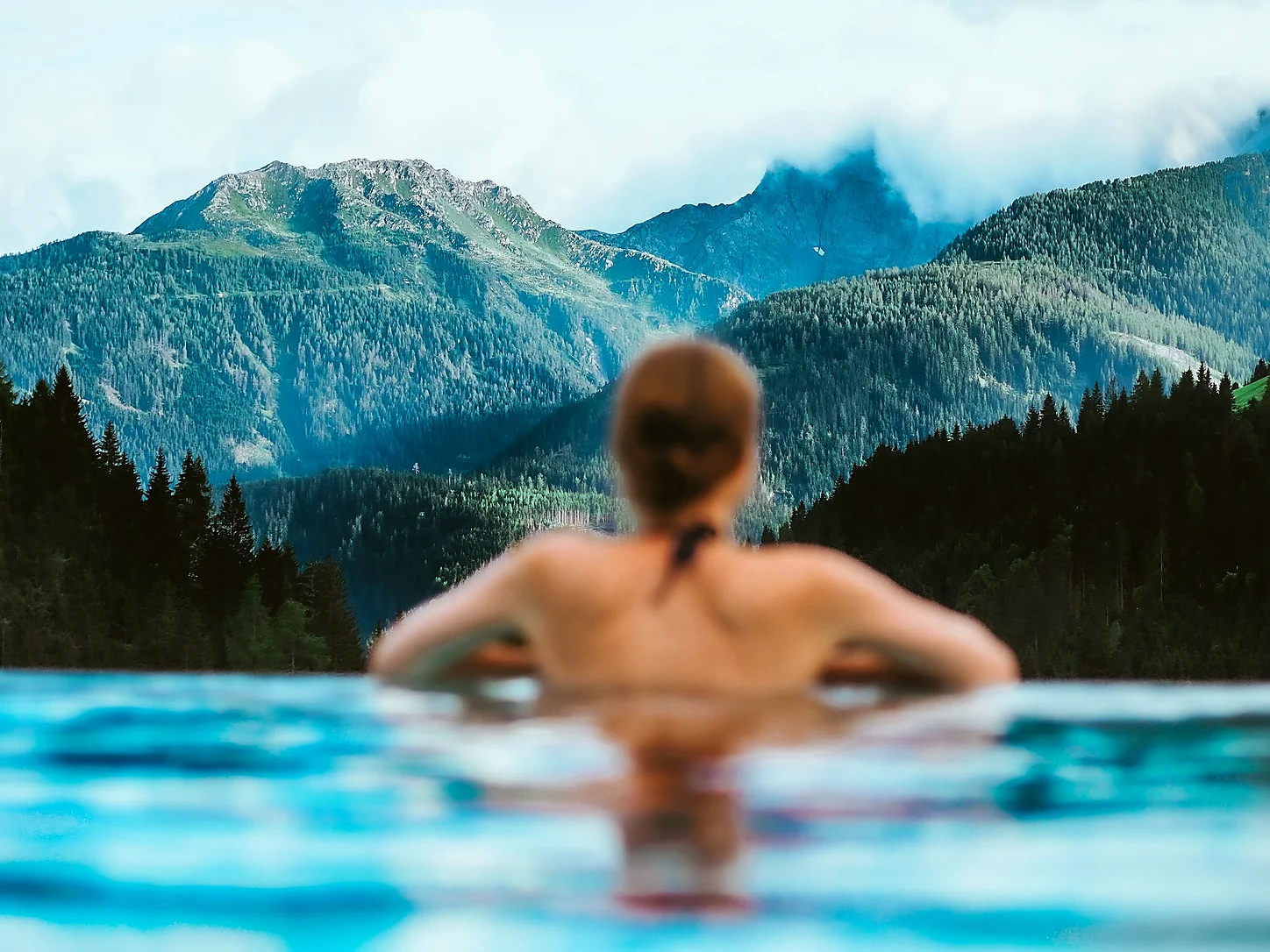
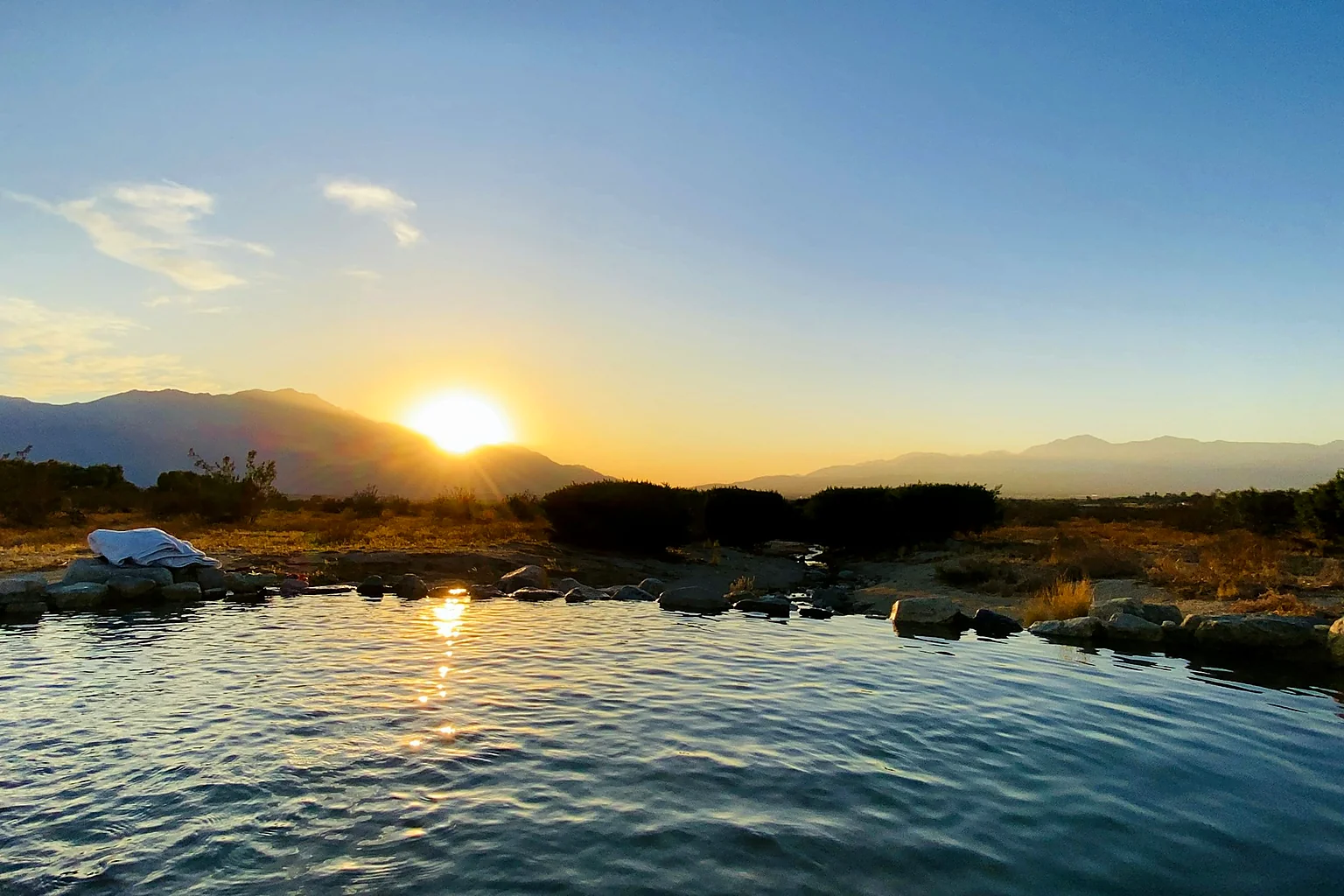
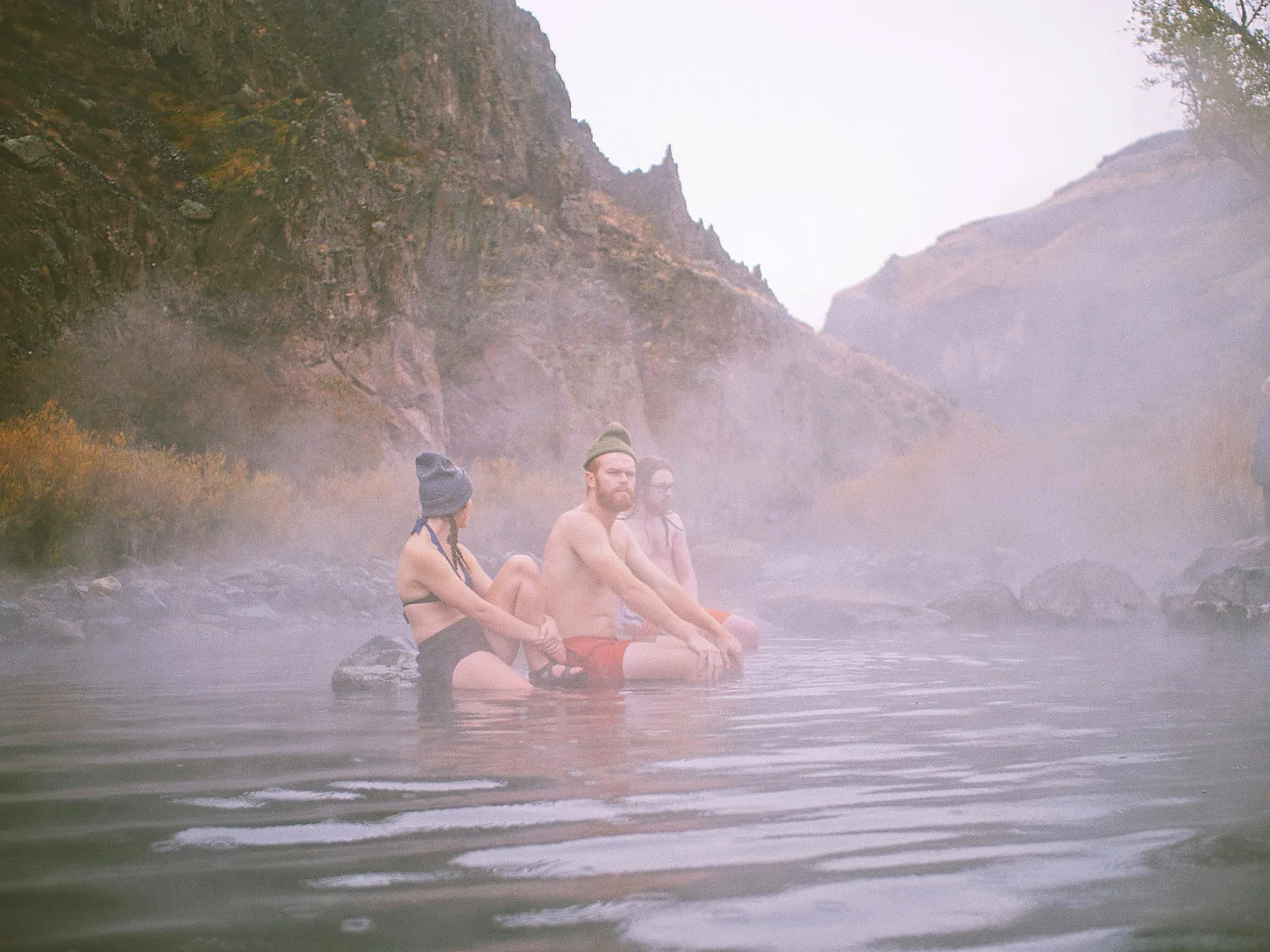
Mono Hot Springs mineral hot springs setting
Home / California Hot Springs / Sierra National Forest
Lakeshore, California

Mono Hot Springs Resort

The High Sierra's summer-only cabin resort: 1935 stone cabins along Mono Creek with multiple natural mineral baths, accessed by a narrow Kaiser Pass Road that closes most of the year.

Last verified 2026-05-13 5 sources checked 4 min read
StatusOpen Seasonally Memorial Day Through Late OctoberVerified 2026-05-13
PriceDay pass or stay
ReservationsRequired
Soak temperature104°Fto 100°F across 5 soak options
Closest airportFresno (FAT)70 mi · 2h 10m
Quick answer

What is Mono Hot Springs?

Mono Hot Springs Resort is a summer-only High Sierra cabin resort in the Sierra National Forest, 70 miles northeast of Fresno via CA-168 (Kaiser Pass Road, narrow and slow at the end). The resort was built in 1935 and operates Memorial Day weekend through late October only; Kaiser Pass Road closes for winter snow. Historic stone cabins, tent cabins, and a Forest Service campground share the location. The hot springs themselves are multiple dispersed natural pools along Mono Creek at 6,500 feet elevation, including the Old Pedro Bath, Iodine Pool, Indian Bath, and Wamble Bath, plus a resort bathhouse with private mineral tubs.

Last verified 2026-05-13 By Hot Springs Guide editorial team
Pools5 pools100 to 104 °F
Elevation6,500 ft
HoursSummer season only (Memorial Day weekend through late October)winter operations are not offered.
LodgingOn-siteHistoric stone cabins (built 1935), tent cabins, a
ClothingVaries by area
Verdict

Worth it if. Skip if.

Worth it if

  • You want a remote High Sierra cabin experience with multiple natural mineral pools right outside.
  • You are planning a backcountry trip to Edison Lake, Vermilion Valley, or the John Muir Wilderness and want a hot springs base.
  • You want to stay in a historic 1935 stone cabin in a Sierra National Forest setting.
The soak itself

Pools on the property

Geothermal mineral seeps along Mono Creek in the Sierra Nevada at 6,500 feet; the source has been used continuously since the resort opened in 1935.

Private soak

Old Pedro Bath

102°F · 39°C
historic concrete bath ft

historic concrete soaking bath built in the 1930s, the most-photographed Mono soak

Hot soak

Iodine Pool

104°F · 40°C
small mineral pool ft

iodine-mineral content pool, smaller, intimate

Private soak

Indian Bath

100°F · 38°C
small natural pool ft

natural pool near the river

Private soak

Wamble Bath

102°F · 39°C
small pool ft

smaller mineral soak pool

Private soak

Resort Bathhouse Tubs

103°F · 39°C
individual mineral tubs at resort ft

private mineral tubs available for resort guests

History and setting

How this place came to be

Mono Hot Springs Resort has been a High Sierra summer destination since 1935, when the original stone cabins and bathhouse were built along Mono Creek in the Sierra National Forest. The resort sits at 6,500 feet on the western side of the Sierra crest, 70 miles northeast of Fresno on CA-168, with the last 15 to 20 miles on the narrow Kaiser Pass Road that climbs from Huntington Lake up to the resort. The road and the resort both open Memorial Day weekend and close in late October; outside that window the area is genuinely snowed in.

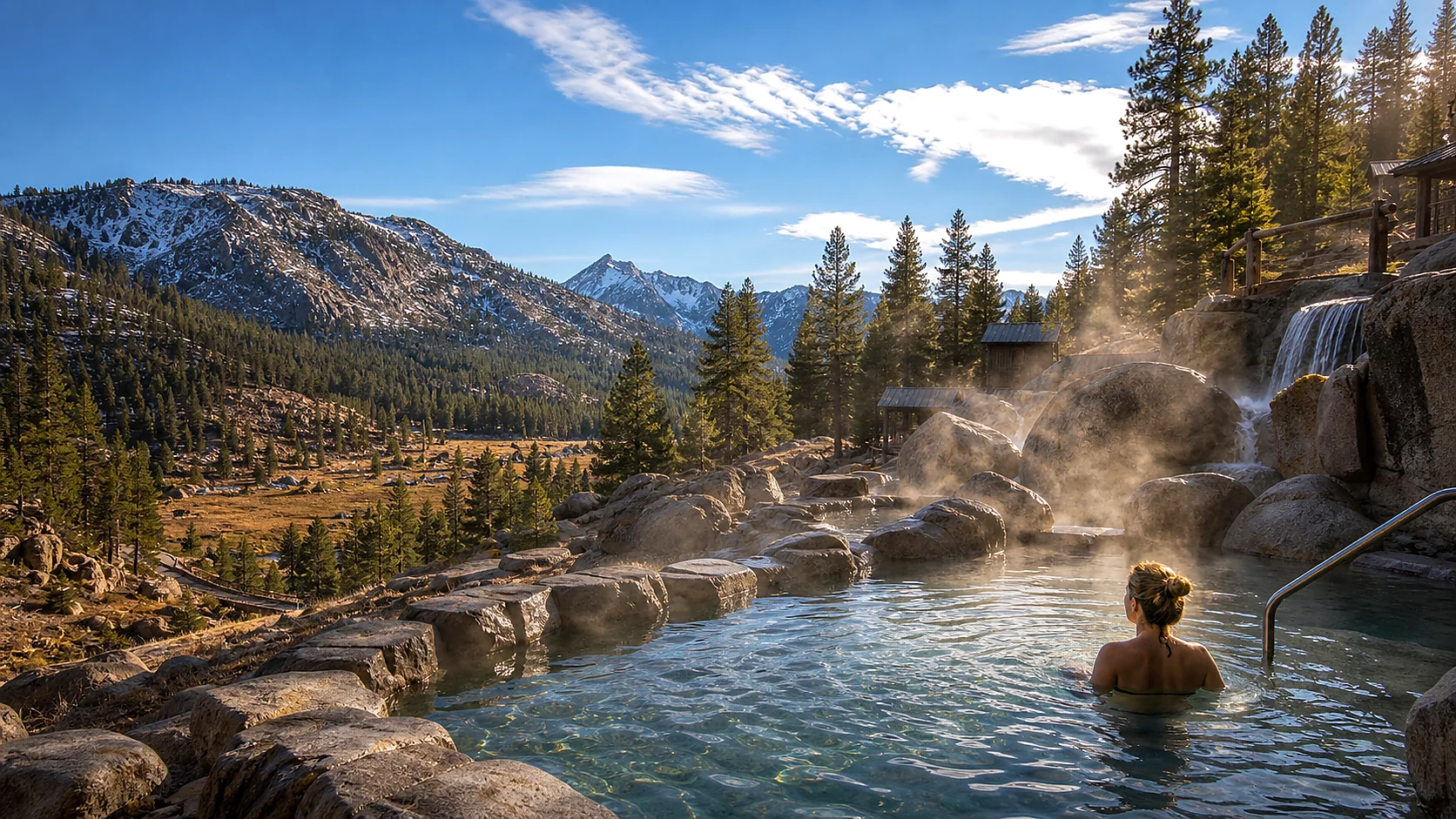
The hot springs themselves are multiple dispersed natural pools rather than a single developed mineral pool. The Old Pedro Bath, a concrete-edged historic pool built in the 1930s, is the most-photographed and the most-used. The Iodine Pool, Indian Bath, and Wamble Bath are smaller natural soaks along Mono Creek. The resort bathhouse offers private mineral tubs for guests who want a covered indoor soak. The mineral profile is mild with notable iodine content at the Iodine Pool.

Lodging is intentionally simple. Historic stone cabins from 1935 are the signature option, with shared bathhouse facilities. Tent cabins fill the budget end, and the Forest Service operates the Mono Hot Springs Campground at the same location through Recreation.gov reservations. A small general store on the property handles basic groceries and limited prepared food; there is no restaurant. Visitors who want full dining drive 10 miles to Vermilion Valley Resort at Edison Lake or much further out to Shaver Lake.

Practically, Mono Hot Springs is a destination overnight, not a day trip. The drive in is slow (130 minutes from Fresno because of the narrow Kaiser Pass Road sections). Cell service is non-existent; cellular contact ends at Huntington Lake and does not resume until back in the San Joaquin Valley. Backcountry trip access is part of the appeal: the Mono Creek Trail connects to Edison Lake (10 miles round trip), and longer trips into the John Muir Wilderness toward Iva Bell Hot Springs and Fish Creek Hot Springs are all accessed from this corner of the Sierra.
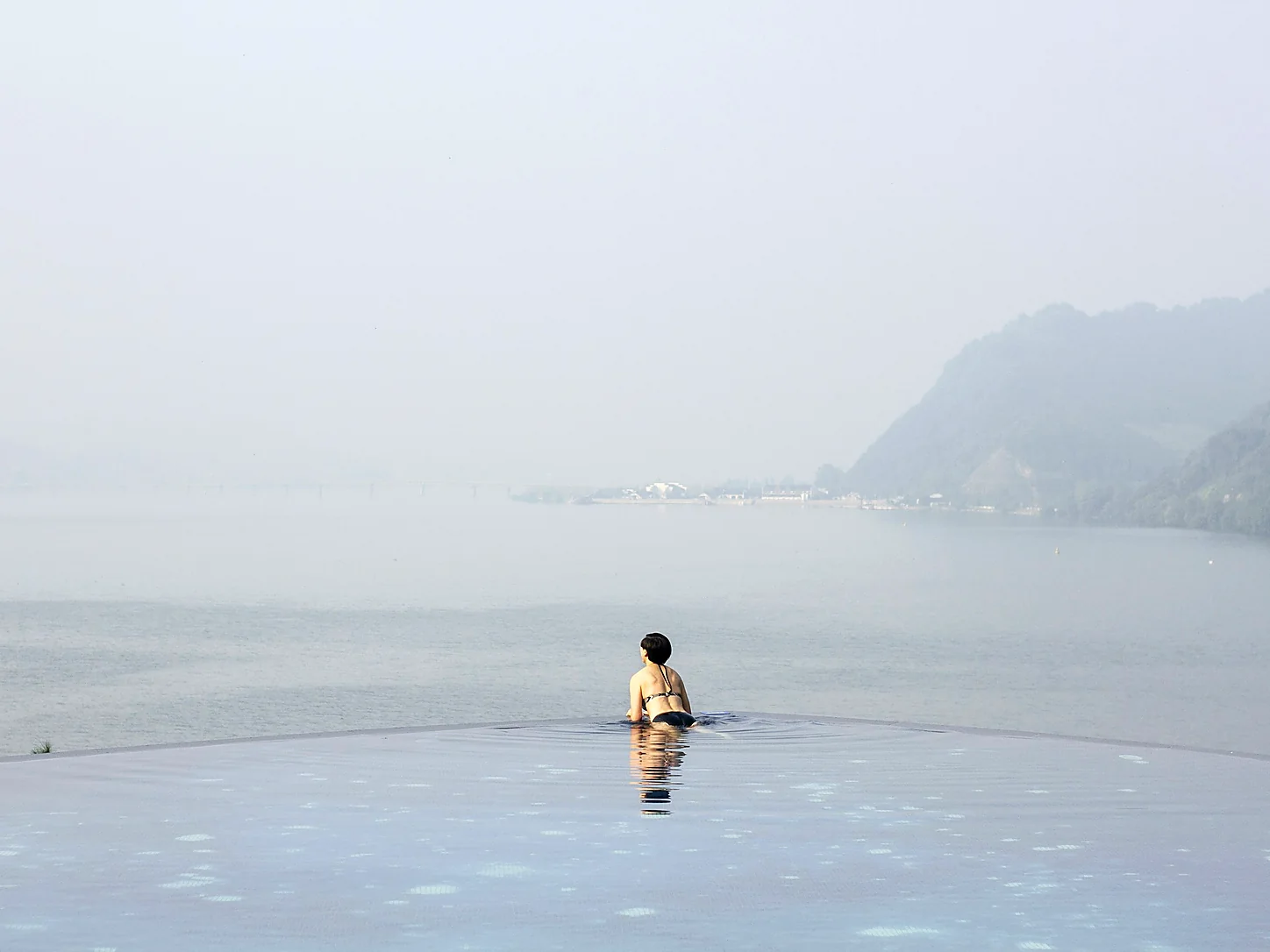
Plan it

Rates and reservations

Day pass and reservations

Summer-only operation. Mono Hot Springs Resort and Kaiser Pass Road open Memorial Day weekend and close in late October (typical season May 22 to October 26). Cabin and tent-cabin rates published on the operator site. The Forest Service operates a separate Mono Hot Springs Campground at the same location with Recreation.gov reservations.

Get there

Drive times from regional airports

Mono Hot Springs Resort is in Sierra National Forest, near Lakeshore, California.

FromDistanceDrive timeRoute
Fresno (FAT)70 mi2h 10mCA-168 E (Kaiser Pass Road, narrow and slow)
Mammoth (MMH)90 mi3h 00mlong Sierra crossing, often via Yosemite or back through Fresno
San Jose (SJC)220 mi4h 20mCA-99 S then CA-168 E
Stay nearby

Where to sleep

Lodging sorted by drive time. On-site or walking-distance options listed first when available.

Some hotel and experience links may earn Hot Springs Guide a commission at no extra cost to you. Operator rate and reservation links come first; see our editorial policy.

On-Site

Mono Hot Springs Resort cabins (on-site)

Historic stone cabins from 1935 and tent cabins.

Check rates
Usfs

Mono Hot Springs Campground (Forest Service, on-site)

USFS campground co-located with the resort, Recreation.gov reservations.

Check rates
Rural

Vermilion Valley Resort (Edison Lake)

Sister High Sierra resort at the end of a 10-mile trail toward Edison Lake.

Check rates
Rural

Shaver Lake lodging

Closest paved-road lodging.

Check rates
If this is not the right soak

How Mono Hot Springs compares to alternatives

Sol Duc Hot Springs Resort

Olympic National Park concession resort, also seasonal. Sol Duc has more developed pools; Mono is the rustic stone-cabin High Sierra version.

Travertine Hot Springs

Free Eastern Sierra travertine soak across the crest. Travertine is car-accessible and free; Mono is the developed resort variant with cabin lodging.

Belknap Hot Springs

Year-round Oregon McKenzie River resort. Belknap is the year-round developed cabin version; Mono is the summer-only High Sierra historic version.

FAQ

Questions visitors actually ask

Is Mono Hot Springs open year-round?

No, summer only. The resort and Kaiser Pass Road open Memorial Day weekend and close in late October (typical season is May 22 to October 26 depending on snowfall). Outside that window, Kaiser Pass Road is gated for winter snow and the resort is genuinely inaccessible. Most resort fans visit in July or August; September is the quietest summer window with stable weather and thinner crowds.

How do you get to Mono Hot Springs?

From Fresno, drive 70 miles northeast on CA-168 (the road that climbs into the Sierra National Forest). The last 15 to 20 miles are on the narrow Kaiser Pass Road, which is slow (1-1.5 hours from Huntington Lake to the resort). The road is paved but narrow with sections of single-lane and steep drops. Standard passenger cars handle it in summer. Cell service ends at Huntington Lake and does not resume until back in the San Joaquin Valley.

Can you stay overnight at Mono Hot Springs?

Yes, in historic 1935 stone cabins, tent cabins, and the Forest Service campground co-located with the resort. The stone cabins are the signature lodging; they were built when the resort opened and the original construction is still in service. Tent cabins fill the budget end. The Forest Service runs the Mono Hot Springs Campground at the same location through Recreation.gov reservations.

How many pools at Mono Hot Springs?

Five soaking options. The Old Pedro Bath is the historic concrete-edged pool built in the 1930s and the most-photographed Mono soak. The Iodine Pool, Indian Bath, and Wamble Bath are smaller natural soaks along Mono Creek. The Resort Bathhouse has private mineral tubs available for resort guests. The pool temperatures are mild (100 to 104 F) by hot springs standards; the source is mineral-rich with notable iodine content.

Where is Mono Hot Springs?

In the Sierra National Forest of California, at 6,500 feet on Kaiser Pass Road. The resort is 70 miles northeast of Fresno via CA-168. From the Bay Area the drive is 220 miles, 4.5 hours via CA-99 south then CA-168 east. From the Mammoth area, crossing Tioga Pass through Yosemite is the seasonal route (about 4 hours plus); much of the time visitors loop back through Fresno (longer).

Mono Hot Springs vs Travertine Hot Springs?

Different products. Mono Hot Springs is a summer-only High Sierra developed resort with cabin lodging and the historic Old Pedro Bath. Travertine Hot Springs is a free wild Eastern Sierra travertine terrace pool complex across the Sierra crest, accessible from US-395 near Bridgeport. Mono is the developed cabin-resort version; Travertine is the wild free-soak version. Both are summer-popular; both share the Sierra theme but on opposite sides of the range.

Is Mono Hot Springs family-friendly?

Moderately. The resort welcomes families, and the cabins accommodate small parties. The remote summer-only setting, the slow drive in, and the absence of nearby amenities (no restaurant beyond the resort store) make Mono more of a backcountry-lodge experience than a destination family resort. Many family visits are part of larger Sierra National Forest backpacking or fishing trips.

Sources

Where these facts came from

Last desk review 2026-05-13. See our methodology for the source standards we hold every guide to.