Olympic Hot Springs mineral hot springs setting
Home / Washington Hot Springs / Olympic Peninsula
Port Angeles, Washington

Olympic Hot Springs

Olympic National Park's wild abandoned-resort hot springs: an 11-mile round-trip route on a washed-out road and forest bypass trail to dispersed geothermal seeps in moss-covered old-growth.

Last verified 2026-05-13 4 sources checked 5 min read
StatusOpen Year-Round; Road Washed Out, Bypass Trail RequiredVerified 2026-05-13
PriceFree
ReservationsNot required
Soak temperature110°Fto 85°F across 3 soak options
Closest airportPort Angeles (CLM)25 mi · 45 min
Quick answer

What is Olympic Hot Springs?

Olympic Hot Springs is a primitive set of natural geothermal pools deep in Olympic National Park, Washington. The original Olympic Hot Springs Resort closed decades ago and the buildings have been removed; the springs sit dispersed through old-growth rainforest along Boulder Creek. Access is roughly 11 miles round trip: 8.5 miles each way on a closed road (bikeable) then a 2.5-mile bypass forest trail (foot only) because the road bridge has washed out. The springs themselves are free, no admission and no reservation, though the Olympic National Park entrance fee ($30/vehicle) applies. Free dispersed camping permits available from the Wilderness Information Center.

Last verified 2026-05-13 By Hot Springs Guide editorial team
Pools21 pools85 to 110 °F
Elevation2,070 ft
HoursOpen 24 hours year-round. Free dispersed camping permits required for overnight stays in the area.
LodgingOff-siteno on-site lodging; Lake Crescent Lodge 30 min eas
ClothingCheck policy
Verdict

Worth it if. Skip if.

Worth it if

  • You want a genuinely wild Pacific Northwest hot springs without commercial infrastructure.
  • You are comfortable with an 11-mile round-trip on a washed-out road and a forest bypass trail.
  • You want to combine the hot springs with an overnight camp in Olympic National Park backcountry.
The soak itself

Pools on the property

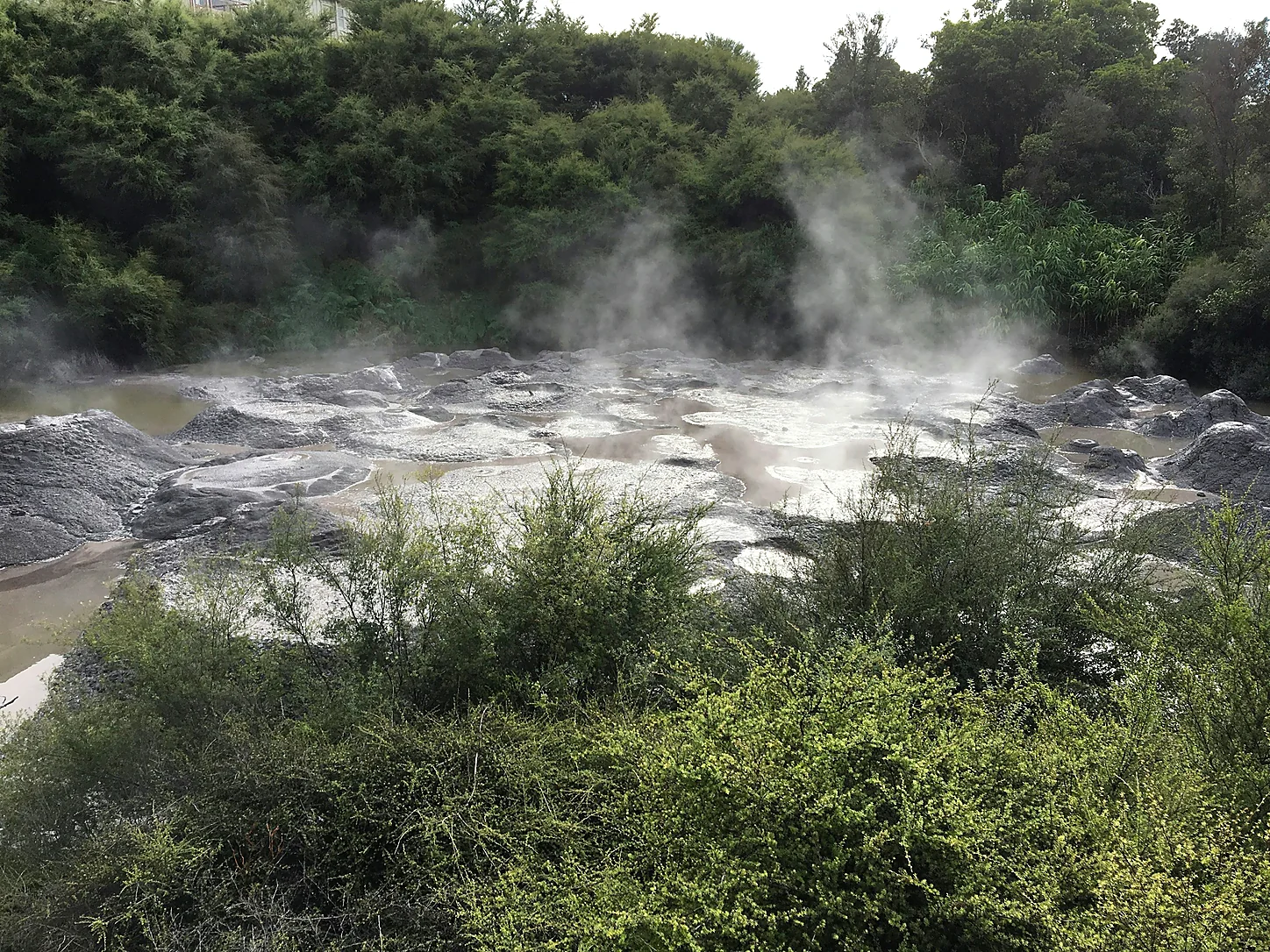
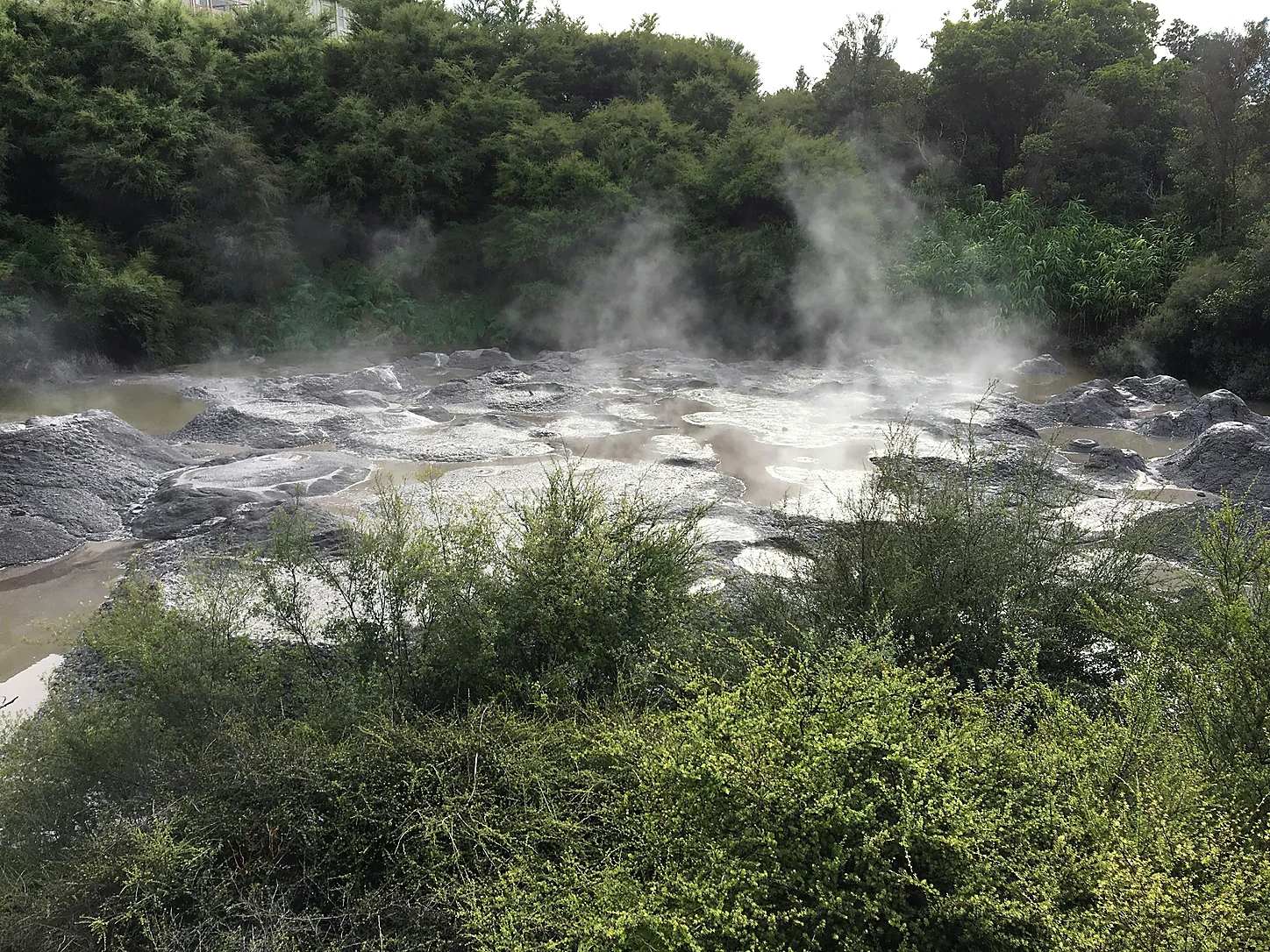
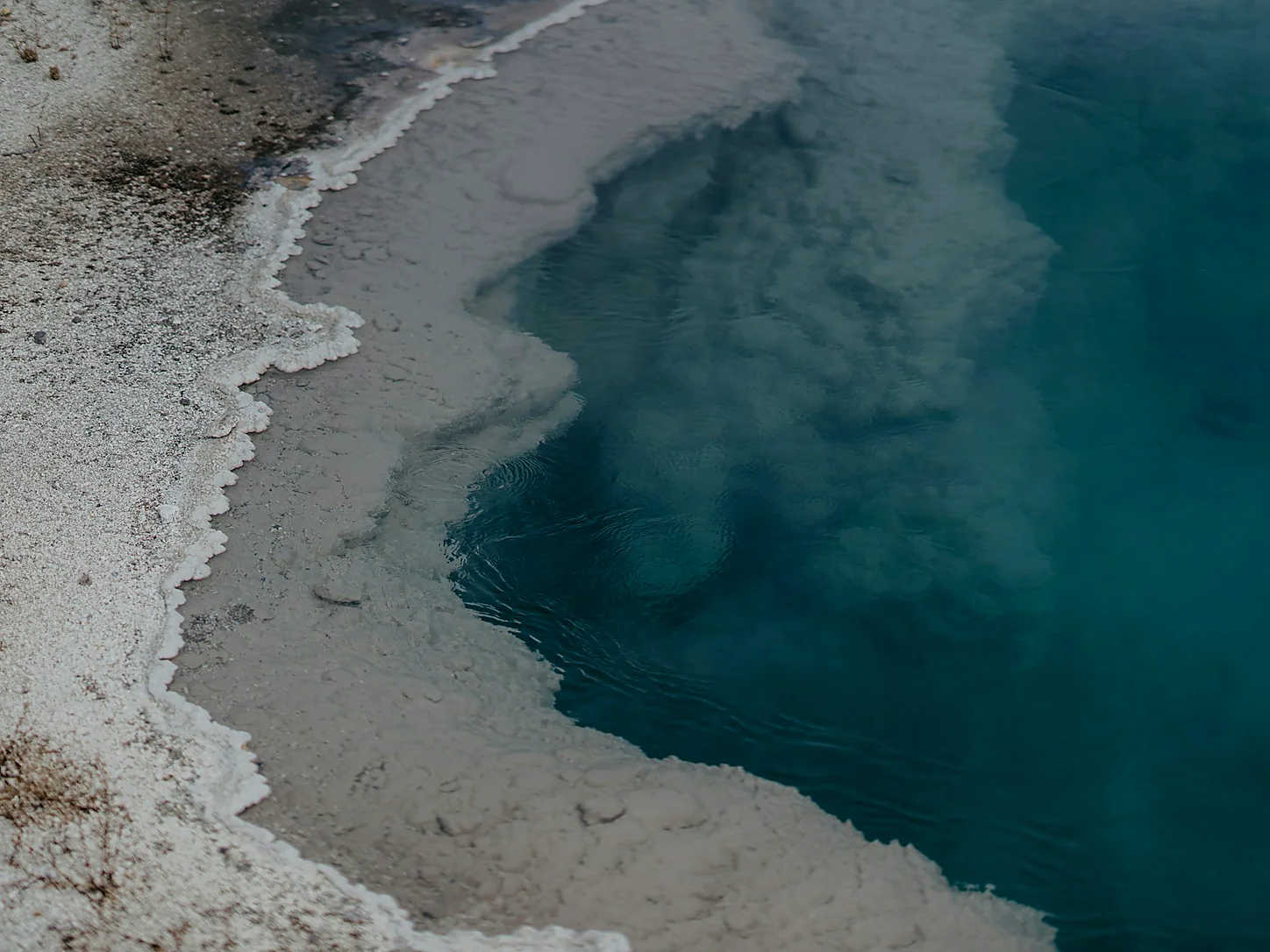
Geothermal seeps emerge through the forest floor on the south side of Boulder Creek; the source has flowed for thousands of years.

Mineral pool

Multiple Forest Pools (~21 documented)

90°F · 32°C
natural rock pools in forest ft

scattered primitive pools through the moss-covered forest; visitors find their own

Hot soak

Hottest Pools (near source)

110°F · 43°C
small natural pools ft

the hottest pools near the source vents; check temperature before entering

Mineral pool

Cooler Pools (downstream)

85°F · 29°C
natural rock-edged pools ft

the coolest soaking pools further downstream

History and setting

How this place came to be

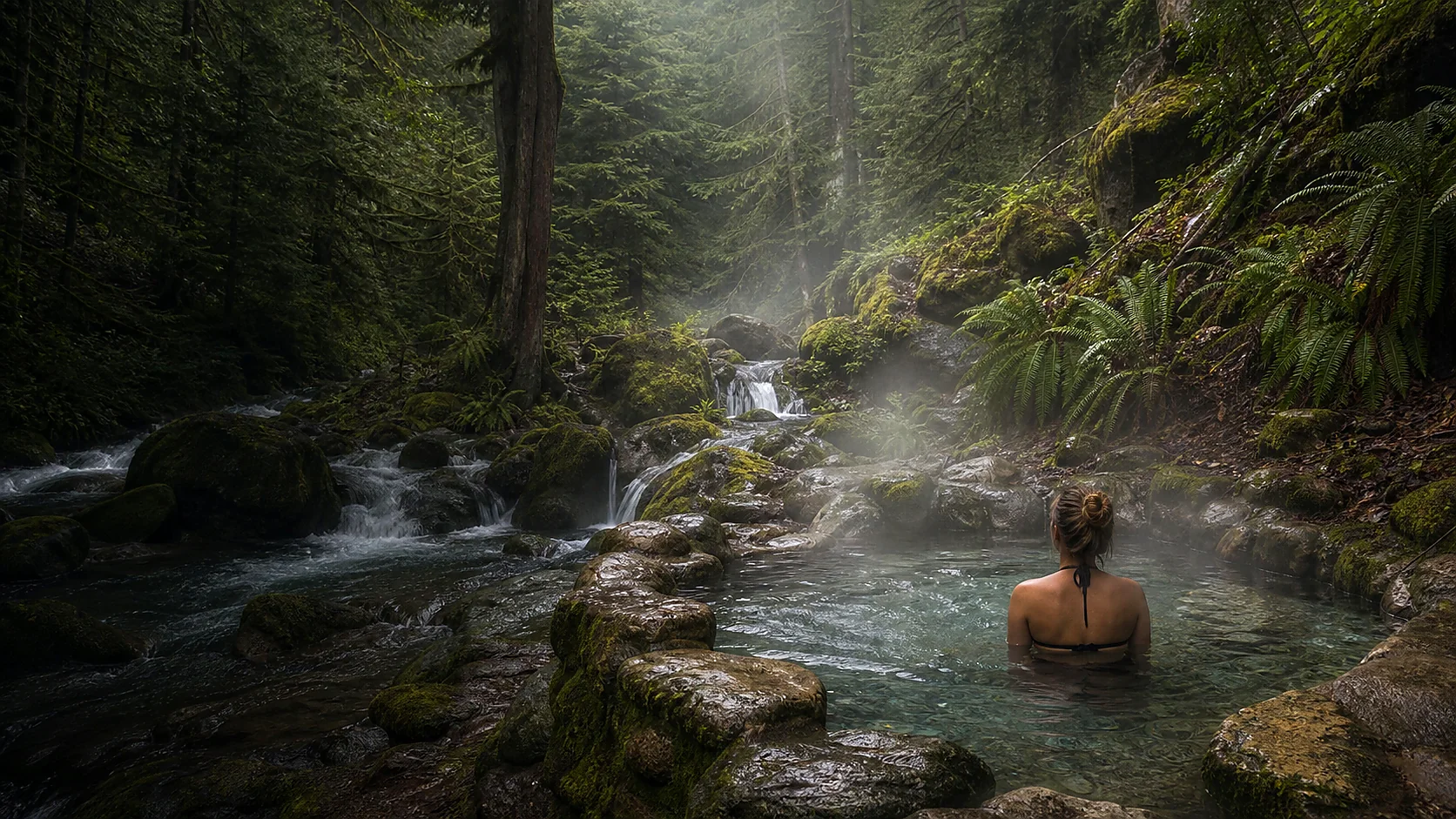
Olympic Hot Springs is the wild counterpoint to Sol Duc within Olympic National Park. Originally developed as a commercial resort in the early twentieth century, the property was sold to the National Park Service and the resort buildings were eventually removed. What remains is a network of natural geothermal seeps along Boulder Creek in moss-covered, fern-floored old-growth Pacific Northwest forest. The pools themselves are primitive: rocks shaping natural mineral water that emerges through forest floor seeps.

The access logistics define the experience. The Olympic Hot Springs Road starts at the end of the paved Boulder Creek access from US-101. Roughly 8.5 miles of that road has been closed to vehicles and has reverted to use as a hike or bike trail. About halfway to the springs, a bridge washed out, and visitors must take a bypass trail through riverside forest to bypass the gap. From the end of the closed road, another 2.5 miles of forest trail leads to the springs themselves. The total round-trip is 11 miles. Many visitors bike the closed road sections and walk the bypass and final forest trail.

The springs themselves are a network of dispersed pools rather than one signature soak. NPS counts roughly 21 documented pools at varying temperatures. The hottest pools, nearest source vents, can hit 110 F and should be tested with a hand before entering. The cooler pools downstream sit at 85 to 95 F. Pool water flow varies with rainfall and season; some pools that hold water in a normal year may be dry or cold during drought. NPS regulations require swimsuits; in practice the more remote pools host universal clothing-optional culture, similar to Umpqua in Oregon.

Practically, Olympic Hot Springs is a serious commitment. The 11-mile round-trip means most visitors do it as a long day hike (start by 9 AM) or as an overnight with free dispersed camping permits from the Wilderness Information Center in Port Angeles. Boulder Creek can be cold in early summer and dangerous in flood. Bears use the area; standard NPS food storage rules apply. There is no cell service. Pack everything out, including waste. This is one of the most rewarding wild hot springs in the country and one of the most demanding to reach.
Plan it

Rates and reservations

Day pass and reservations

Free. Olympic National Park entrance fee ($30 per vehicle for 7 days, or America the Beautiful pass) applies if you do not already have a park pass. No admission to the hot springs themselves and no reservations.

Reservations are not required for the pool.

Get there

Drive times from regional airports

Olympic Hot Springs is in Olympic Peninsula, near Port Angeles, Washington.

FromDistanceDrive timeRoute
Port Angeles (CLM)25 mi45 minUS-101 W then Olympic Hot Springs Rd
Victoria BC ferry25 mi45 minBlack Ball Ferry to Port Angeles then US-101 W
Sea-Tac (SEA)140 mi3h 30mWA-104 W via Bainbridge ferry then US-101 W
Stay nearby

Where to sleep

Lodging sorted by drive time. On-site or walking-distance options listed first when available.

Some hotel and experience links may earn Hot Springs Guide a commission at no extra cost to you. Operator rate and reservation links come first; see our editorial policy.

Historic

Lake Crescent Lodge

Iconic 1915 Olympic NP lodge on Lake Crescent.

Check rates
Branded

Olympic Lodge (Port Angeles)

Standard Port Angeles base.

Check rates
Wilderness-Resort

Sol Duc Hot Springs Resort

If pairing with Sol Duc (seasonal).

Check rates
Rural

Joyce, WA cabins

Closest rural lodging.

Check rates
If this is not the right soak

How Olympic Hot Springs compares to alternatives

Sol Duc Hot Springs Resort50 mi · 1h 20m

Developed seasonal resort 50 minutes south inside Olympic NP. Sol Duc is the comfortable lodge with three mineral pools; Olympic Hot Springs is the wild abandoned-resort version. Do both on a multi-day Olympic trip.

Umpqua Hot Springs

Oregon wild travertine pools, much shorter trail (0.4 mile each way). Umpqua is the accessible wild soak; Olympic is the deep-backcountry version.

Goldmyer Hot Springs150 mi · 4h 00m

Private wilderness hot spring near North Bend with strict reservation system. Goldmyer is structured wilderness; Olympic is unstructured wilderness.

FAQ

Questions visitors actually ask

How do you get to Olympic Hot Springs?

It is an 11-mile round trip. From the Boulder Creek trailhead, the closed Olympic Hot Springs Road is 8.5 miles each way (bikeable for much of it). A bypass foot trail of 2.5 miles handles the section where the bridge washed out. Many visitors bike the closed road segments and walk the bypass and final forest trail. Most do it as a long day hike (start by 9 AM) or as an overnight with free dispersed camping permits from the park's Wilderness Information Center.

Are Olympic Hot Springs free?

Yes, no admission to the springs themselves and no reservation. The Olympic National Park entrance fee ($30 per vehicle for seven days, or America the Beautiful pass) applies if you do not already have a park pass. Free dispersed camping permits are available from the Wilderness Information Center for overnight stays; these are required and free of charge. The original Olympic Hot Springs Resort closed decades ago and the buildings have been removed.

How many pools are at Olympic Hot Springs?

Roughly 21 documented natural geothermal seeps scattered across the old resort area along Boulder Creek. The pools are not formal: they are rock-shaped natural pools that visitors maintain informally. Temperatures vary widely; the hottest pools near source vents can hit 110 F and should be tested with a hand before entering. The lowest pools downstream sit at 85 to 95 F. Pool water flow varies with rainfall and season.

Are Olympic Hot Springs clothing optional?

Officially no per NPS regulations, in practice yes at the more remote pools. The lower pools, closer to the trail, have more swim-attire compliance. The upper pools host universal clothing-optional culture. Most visitors who hike the 11-mile route are wilderness-comfortable and prepared for both. The site is managed by the National Park Service but day-to-day enforcement is minimal given the remoteness.

Where is Olympic Hot Springs?

Inside Olympic National Park, in the northwest corner of Washington state. From Port Angeles (the closest town with full services) the trailhead is 25 miles, 45 minutes via US-101 west and then Olympic Hot Springs Road to the Boulder Creek trailhead. From Seattle the trip is 140 miles via the Bainbridge ferry and US-101, three and a half to four hours. The 11-mile hike from trailhead to springs is the meaningful access cost.

Should I do Olympic Hot Springs as a day hike or overnight?

Both work; overnight is more rewarding. A long day hike (11 miles round trip) lets you experience the springs but is rushed. An overnight at a Boulder Creek dispersed camp (free permit required, food storage rules apply, bears use the area) gives you sunrise and sunset soak windows in the wilderness. Most Olympic-hike veterans recommend the overnight version. Pack out everything including food waste.

Olympic Hot Springs vs Sol Duc Hot Springs?

Same national park, different products. Sol Duc is the developed concession resort with three mineral pools, cabins, restaurant, and paved road access. Olympic Hot Springs is the wild abandoned-resort version reached by 11-mile round trip on closed road and washed-out-bridge bypass trail. Sol Duc for the comfortable mineral soak; Olympic for the wilderness backpacking version. Many Olympic Peninsula visitors do both on multi-day trips.

Sources

Where these facts came from

Last desk review 2026-05-13. See our methodology for the source standards we hold every guide to.